Dual-Fuel Portable Grill: Charcoal + Propane on a Cart
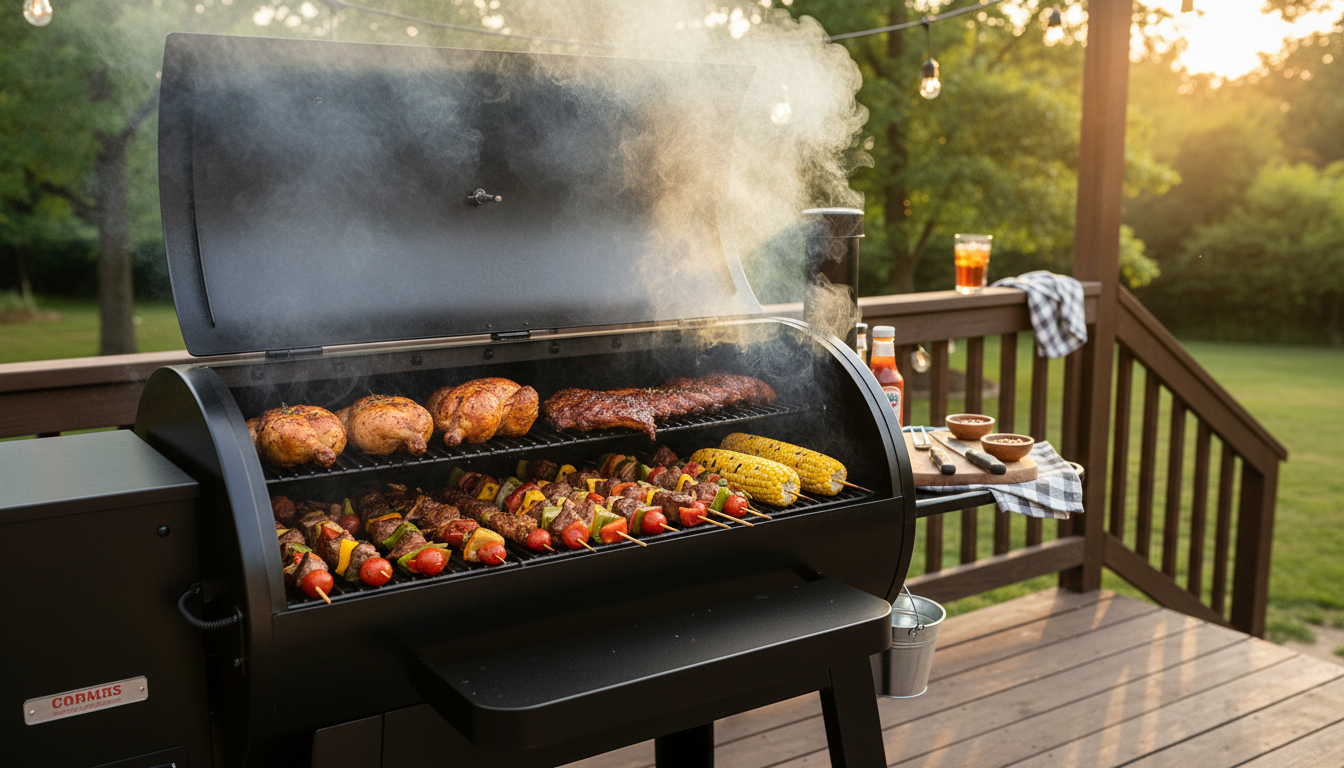
Portable Dual-Fuel Grilling: Charcoal Flavor and Propane Convenience in One Cart-Based Setup
Outdoor cookouts rarely look the same twice. Some days call for the deep, smoky character only charcoal can deliver; other days demand the quick ignition and steady control of propane. A portable dual-fuel BBQ grill built for both charcoal and propane is designed for that kind of real-world flexibility—especially when it’s paired with a rolling cart for stability and prep space, plus a fitted cover to help protect it between uses. The result is a more capable, heavy-duty outdoor cooking station that still travels well for tailgates, camp weekends, and backyard gatherings.
What Makes a Dual-Fuel Portable Grill Different
A dual-fuel portable grill stands out because it’s meant to handle two distinct cooking styles without forcing a compromise in everyday usability.
- Two cooking styles in one setup: Use charcoal when you want classic smoke-forward flavor and intense searing, or propane when you need fast starts and consistent heat.
- Portability with stability: A cart base can help keep the grill level, reduce wobble, and make the unit easier to roll than a small tabletop grill that must be carried.
- All-weather readiness: A fitted cover helps cut down on exposure to rain, pollen, dust, and UV when the grill is stored outdoors.
- Heavy-duty build focus: Thicker materials and sturdier frames are better suited for frequent transport and repeated high-heat cooking sessions.
Charcoal vs. Propane Cooking at a Glance
| Feature | Charcoal | Propane |
|---|---|---|
| Startup time | Slower (chimney or starter needed) | Fast (ignite and preheat) |
| Flavor profile | Smokier, classic char | Cleaner burn; flavor can be added with wood chips/smoke box |
| Heat control | More manual (air vents, coal arrangement) | More precise (burner adjustment) |
| Best for | Searing, low-and-slow, smoke-forward foods | Weeknight grilling, consistent temps, quick batches |
| Cleanup | Ash removal required | Less residue; grease management still needed |
Cart and Cover: Practical Benefits for Real-World Use
It’s easy to focus on fuel type, but the cart and cover often determine how frequently a grill actually gets used.
- Cart mobility: Rolling the grill from storage to the cooking area reduces heavy lifting and speeds up setup.
- Added workspace: Cart shelves or side areas (when included) help keep trays, tongs, rubs, and thermometers within reach so you’re not running back inside mid-cook.
- Better organization: A cart can support propane tank placement (where applicable) and keep fuel separated from food prep.
- Cover protection: Once the grill is fully cool, covering it can reduce corrosion risk and keep the cook box and grates cleaner between sessions.
- Storage efficiency: A covered grill on a cart can be parked in a garage, shed, or under an awning with less debris settling on surfaces.
Setup Checklist for First-Time Use
A solid first setup makes cooking safer and helps the grill perform consistently.
- Assemble on a flat surface: Tighten fasteners evenly so the cart stays square and stable.
- Give it space: Keep clearance from walls, railings, and overhead structures; avoid dry leaves and clutter around the grill.
- Wash removable parts: Clean grates and removable components with mild soap and water, then dry thoroughly before heating.
- If using propane: Inspect hose/regulator connections (if present), keep the tank upright, and do a leak check with soapy water before lighting.
- If using charcoal: Use a chimney starter or approved starter cubes; skipping lighter fluid helps reduce off-odors and flare-ups.
- Burn-off session: Preheat on high to help remove manufacturing residues before cooking your first meal.
Cooking Techniques That Take Advantage of Both Fuels
The biggest payoff of a dual-fuel grill is matching the fuel to the cook, not forcing every meal into the same routine.
Fast weeknight mode (propane)
Preheat thoroughly, grill over direct heat for good color, then finish at a lower setting to avoid drying out chicken breasts, pork chops, or thicker burgers.
Flavor-forward mode (charcoal)
Build a two-zone fire: a hot side for searing and a cooler side for finishing. This simple setup helps prevent scorching while still delivering that charcoal character.
Batch cooking for gatherings
Propane is great for quick cycles of hot dogs, burgers, and vegetables when guests are hungry. When time allows, charcoal shines for thicker steaks, bone-in chicken, and other cuts that benefit from a deeper sear and gentle finishing heat.
Smoke-boosting with gas
Food safety basics
Use a thermometer and cook to safe internal temperatures; the USDA safe temperature chart is a reliable reference for meats and poultry (USDA Safe Minimum Internal Temperature Chart).
Cleanup and Maintenance for Heavy-Duty Longevity
Safety Essentials for Outdoor Grilling
Safe placement and fuel handling matter as much as good seasoning. For broader guidance, consult NFPA grilling safety tips and follow standard outdoor food safety practices from the CDC.
Who This Grill Style Fits Best
Product Picks Available Now
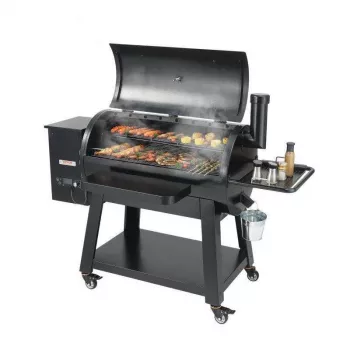
- Portable Charcoal and Propane BBQ Grill with Cover and Cart – Heavy Duty Outdoor Cooking
- 5-Piece Outdoor Patio Furniture Set
Product Snapshot and What to Expect
FAQ
Can charcoal and propane be used at the same time?
Only do this if the manufacturer explicitly states the grill is designed for simultaneous dual-fuel operation. If that guidance isn’t clearly provided, avoid combining fuels at the same time to reduce fire and equipment risks.
How should a grill be stored with the cover on?
Let the grill cool completely, remove grease and (if applicable) cold ash, and make sure surfaces are dry before covering. Store it in a sheltered area when possible to reduce long-term moisture exposure.
What internal temperatures should grilled meats reach?
Follow USDA safe minimum internal temperatures and use a food thermometer for accuracy, especially for poultry and ground meats. When in doubt, check the USDA temperature chart and verify the thickest part of the food has reached the minimum safe temperature.









Leave a comment