Long Tailored Winter Blazer for Women: Fit, Warmth & Style
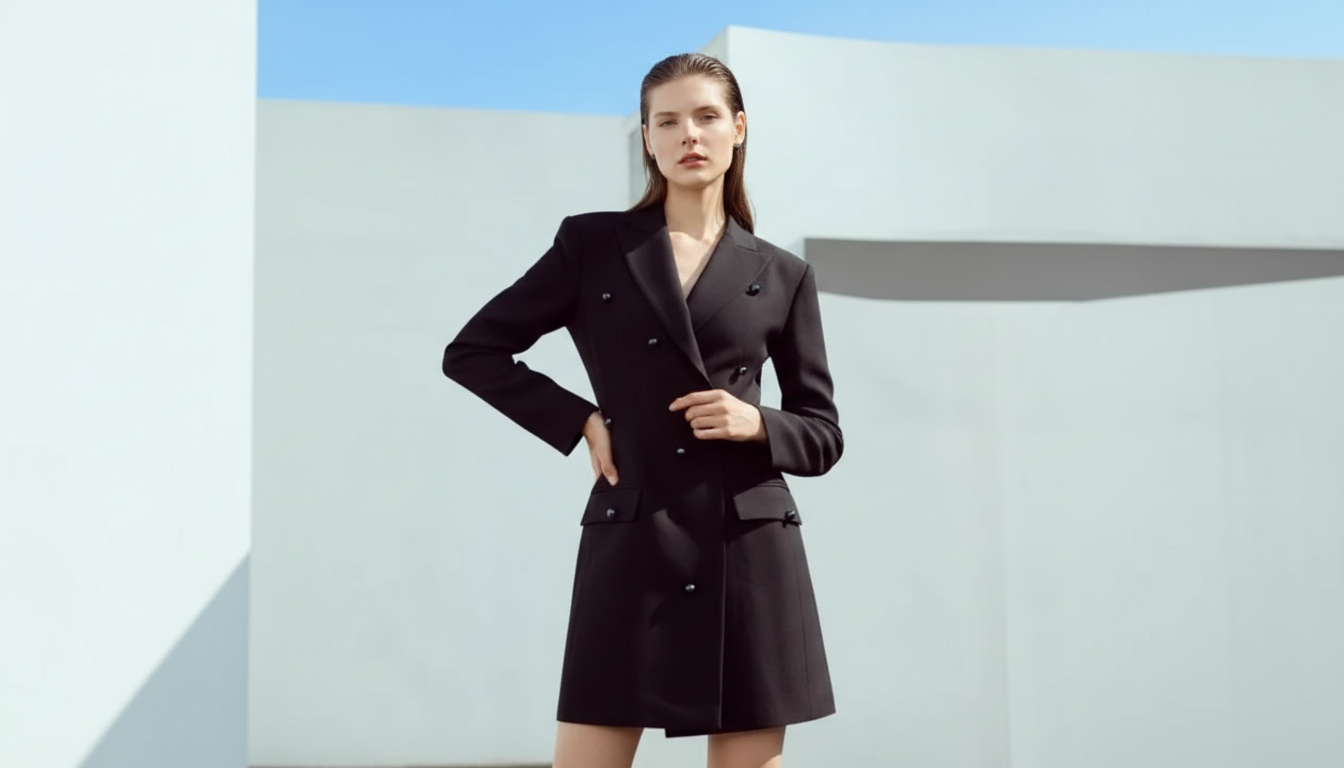
Long Tailored Winter Blazer for Women
A long tailored winter blazer brings structure to cold-weather dressing without sacrificing comfort. The longer hem adds coverage for brisk commutes and evenings out, while a clean, shaped silhouette works over knits, blouses, and layered separates. Use this guide to evaluate fit, warmth, styling options, and care so it stays sharp season after season.
What Makes a Long Tailored Winter Blazer Different
A long tailored blazer stands apart from cropped or classic-length versions because it’s designed to look intentional over bulkier winter outfits. Instead of cutting off at the hip, it extends through the hips and often toward the upper thighs, which smooths the line of sweaters, tucked shirts, and knit dresses.
- Longer length for added coverage through the hips and upper thighs, creating a sleek line over winter layers.
- Tailored shaping at shoulders and waist to keep outfits polished even with thicker underlayers.
- Versatile outer layer for mild-to-cold days, and a refined mid-layer under a coat in deeper winter.
- Balances dressy and casual wardrobes: works with denim, trousers, dresses, and office-ready separates.
Warmth and Layering: Getting the Right Level of Insulation
Warmth in a blazer comes down to fabric weight, lining, and how well it seals against drafts. A tailored cut should still allow movement—especially when you’re reaching for a steering wheel, carrying a tote, or layering a sweater underneath.
- Prioritize room through the shoulders and upper arms so sweaters and thermals don’t restrict movement.
- Look for enough overlap at the front closure to block drafts without pulling across the bust.
- For windy days, pair with a scarf and gloves; for very cold temperatures, treat it as a structured layer under a long coat.
- If the blazer is unlined or lightly lined, plan on warmer base layers (merino, thermal knit, or a thin quilted vest).
Layering Ideas by Temperature Range
| Weather | Base Layer | Mid Layer | Blazer Pairing |
|---|---|---|---|
| Cool (45–60°F / 7–16°C) | Tee or blouse | Light knit cardigan (optional) | Wear as top layer with scarf |
| Cold (30–45°F / -1–7°C) | Thermal top or merino | Medium sweater | Add warm scarf; consider tights with skirts |
| Very cold (below 30°F / -1°C) | Thermal + merino | Chunky knit or insulated vest | Use under a coat for structure and warmth |
Fit Check: How a Tailored Blazer Should Sit
A long blazer looks best when it’s crisp through the shoulders and relaxed where you need layering room. Before committing, do a quick fit check with the thickest top you expect to wear (like a sweater or a lightweight puffer vest).
- Shoulders: seam should align with the edge of the shoulder; avoid divots or overhang.
- Sleeves: allow comfortable bend at the elbow; aim for a clean line without pulling at the bicep.
- Bust and buttons: front should close smoothly without gaping; if it strains, size up and tailor the waist if needed.
- Waist and hips: a long cut should skim the hips rather than cling; check that pockets lie flat.
- Length: the hem should feel intentional—long enough for coverage, not so long that it overwhelms the frame; consider heel height and typical footwear.
Tailoring can refine the shape, but it can’t fix a blazer that’s too tight in the shoulders or upper arms—start with comfort there, then adjust the waist if you want a sharper outline.
Styling Ideas for Work, Weekends, and Evenings
The easiest way to get maximum wear from a long tailored winter blazer is to build repeatable outfit formulas. Think of it as the piece that “finishes” the look—clean lines, a longer hem, and a bit of structure that makes winter basics feel intentional.
- Office-ready: pair with straight-leg trousers, a fine knit turtleneck, and loafers or ankle boots for a streamlined look.
- Smart casual: wear over dark denim and a crisp shirt; add a belt bag or structured tote for a polished finish.
- Dress approach: layer over a midi dress with tights and boots; the long hem adds balance and warmth.
- Evening: style with a satin cami, tailored pants, and heeled boots; keep jewelry minimal and let the blazer shape lead.
- Color coordination: anchor with neutrals (black, charcoal, camel) or create contrast by mixing a lighter blazer with darker winter bottoms.
Quick Outfit Formulas
| Occasion | Top | Bottom | Shoes | Finishing Touch |
|---|---|---|---|---|
| Workday | Turtleneck | Tailored trousers | Loafers | Structured tote |
| Weekend | Sweater | Dark jeans | Chelsea boots | Wool scarf |
| Dinner | Silky cami | Wide-leg pants | Heeled ankle boots | Statement earrings |
Fabric, Construction, and Details to Look For
For fabric-specific cleaning guidance, follow the care label and reference trusted resources like Woolmark’s wool care guidance and the CFDA’s garment care resources.
Care and Storage to Keep the Shape Sharp
Featured In-Stock Picks
- Long Tailored Winter Blazer for Women
- Mirrored Electric Fireplace TV Stand with 3D Flame and 7 Color Changing Mantel
A Polished Cold-Weather Staple Worth Reaching For Often
FAQ
Can a long tailored blazer be worn as an outer layer in winter?
Yes—on cool to cold days it can work as the top layer, especially with a scarf and gloves to block drafts. In very cold or windy conditions, it’s best as a structured mid-layer under a warmer coat.
How should a tailored blazer fit if it’s worn over sweaters?
The shoulder seam should still land at the shoulder edge, and the upper arms should have enough room to bend comfortably. The front should close without pulling; if it strains, sizing up and tailoring the waist often creates the cleanest result.
How do you store a blazer to keep the shoulders from sagging?
Use a broad, structured hanger that supports the shoulder line and keep space around it so the sleeves and lapels aren’t crushed. Avoid wire hangers and avoid folding for long periods to preserve the blazer’s shape.







Leave a comment